

Planning Successful Pop-Up Art Shows
Organizing a pop-up art show can be an exciting way to showcase creativity, engage with new audiences, and create memorable experiences. However, pulling off a successful event requires careful planning and attention to detail. From selecting the right venue to marketing the event effectively, every step plays a crucial role in the overall success. This guide will walk you through practical tips and strategies to help you plan and execute a pop-up art show that leaves a lasting impression.
Choosing the Perfect Venue for Your Pop-Up Art Show
The venue sets the tone for your event and can significantly impact attendance and engagement. When selecting a location, consider the following:
Accessibility: Choose a space that is easy to find and accessible by public transportation or has ample parking.
Size and Layout: Ensure the venue can comfortably accommodate your expected number of guests and display your artwork effectively.
Ambiance: The atmosphere should complement the style of art you are showcasing. For example, a modern gallery space might suit contemporary art, while a rustic warehouse could enhance industrial or street art.
Cost: Balance your budget with the venue’s rental fees. Some locations may offer discounted rates for artists or community events.
Consider unconventional spaces such as empty storefronts, community centers, or outdoor areas. These can add uniqueness and attract curious visitors.

Essential Steps in Planning Pop-Up Art Shows
Planning is the backbone of any successful event. Here are key steps to follow:
Set Clear Goals: Define what you want to achieve. Is it selling artwork, building your brand, or networking with other artists and collectors?
Create a Budget: Include venue rental, marketing, permits, insurance, refreshments, and any other expenses.
Select a Date and Time: Choose a date that does not conflict with major local events. Weekend evenings often attract more visitors.
Obtain Necessary Permits: Check local regulations for permits related to public gatherings, sales, or food and beverage service.
Curate the Art: Decide on the pieces to display. Consider diversity in style, medium, and price points to appeal to a broad audience.
Plan the Layout: Design the space to facilitate easy movement and highlight key pieces.
Arrange Staffing: Recruit volunteers or hire staff to assist with setup, sales, and guest interaction.
Using a project management tool or checklist can help keep track of tasks and deadlines.
Marketing Your Pop-Up Art Show Effectively
Marketing is crucial to attract visitors and create buzz around your event. Here are some actionable recommendations:
Leverage Social Media: Use platforms like Instagram, Facebook, and Twitter to share sneak peeks, artist interviews, and event details. Create an event page and encourage sharing.
Collaborate with Influencers: Partner with local art bloggers or influencers who can promote your show to their followers.
Email Campaigns: Send invitations and reminders to your mailing list with engaging visuals and clear calls to action.
Local Media: Reach out to community newspapers, radio stations, and event calendars to get your show listed.
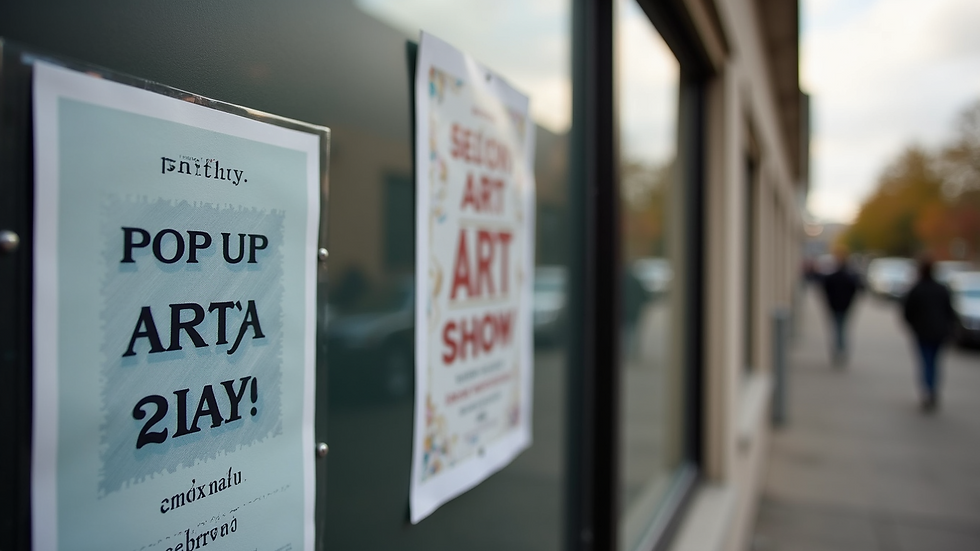
Flyers and Posters: Distribute printed materials in cafes, libraries, and other community hubs.
Engage the Community: Host a preview night or artist talk to build excitement.
Remember to include all essential information such as date, time, location, and any special features like live music or refreshments.
Setting Up the Space for Maximum Impact
The way you arrange your art and the overall environment can greatly influence visitor experience and sales. Consider these tips:
Lighting: Use adjustable lighting to highlight artwork and create ambiance. Avoid harsh or uneven lighting.
Signage: Clearly label each piece with title, artist name, and price. Include artist statements or stories to engage visitors.
Flow: Arrange artworks to guide visitors naturally through the space. Avoid overcrowding.
Interactive Elements: Incorporate interactive or multimedia components to enhance engagement.
Comfort: Provide seating areas and refreshments if possible to encourage guests to linger.
Safety: Ensure all displays are secure and pathways are clear to prevent accidents.
Test the setup before the event to make adjustments as needed.
Maximizing Sales and Engagement During the Event
Once the doors open, your focus shifts to creating a welcoming atmosphere and encouraging purchases. Here are some strategies:
Greet Visitors: Have someone at the entrance to welcome guests and provide information.
Artist Presence: Encourage artists to be present to talk about their work and connect with attendees.
Payment Options: Offer multiple payment methods including cash, credit cards, and mobile payments.
Promotions: Consider limited-time discounts or bundle deals to incentivize purchases.
Collect Contact Information: Use a guestbook or digital sign-up to build your mailing list for future events.
Social Media Sharing: Create a unique hashtag and encourage visitors to share their experience online.
Follow-Up: Send thank-you messages and updates about upcoming shows or new artwork.
Engaging visitors personally can turn casual attendees into loyal supporters.
Beyond the Event: Building Long-Term Success
A pop-up art show is not just a one-time event but an opportunity to build lasting relationships and grow your presence. Here’s how to capitalize on your success:
Gather Feedback: Ask attendees and artists for input to improve future shows.
Document the Event: Take photos and videos to use in marketing and portfolios.
Network: Connect with other artists, collectors, and venue owners for collaboration opportunities.
Plan Future Events: Use insights gained to refine your approach and expand your reach.
Maintain Communication: Keep your audience engaged through newsletters and social media updates.
By treating each pop-up art show as a stepping stone, you can create a sustainable platform for artistic expression and community engagement.
Planning a successful pop-up art show involves thoughtful preparation, creative marketing, and attentive execution. By following these guidelines, you can create an event that not only showcases art beautifully but also fosters meaningful connections and drives sales. Whether you are an artist, curator, or organizer, embracing these strategies will help you make the most of your next pop-up art show.
For more detailed insights and resources, explore pop up art shows and discover how to elevate your event planning to the next level.


Comments